
Does the activity fit?
Confirm the intended activity and any additional approvals with the licensing authority.
Start with what you will do, who you will serve and how you will operate. Then assess whether Meydan fits your company before choosing a package.
Confirm the intended activity and any additional approvals with the licensing authority.
Review premises, customer locations and the practical requirements of your business model.
Request an itemised quote covering inclusions, exclusions and recurring costs.
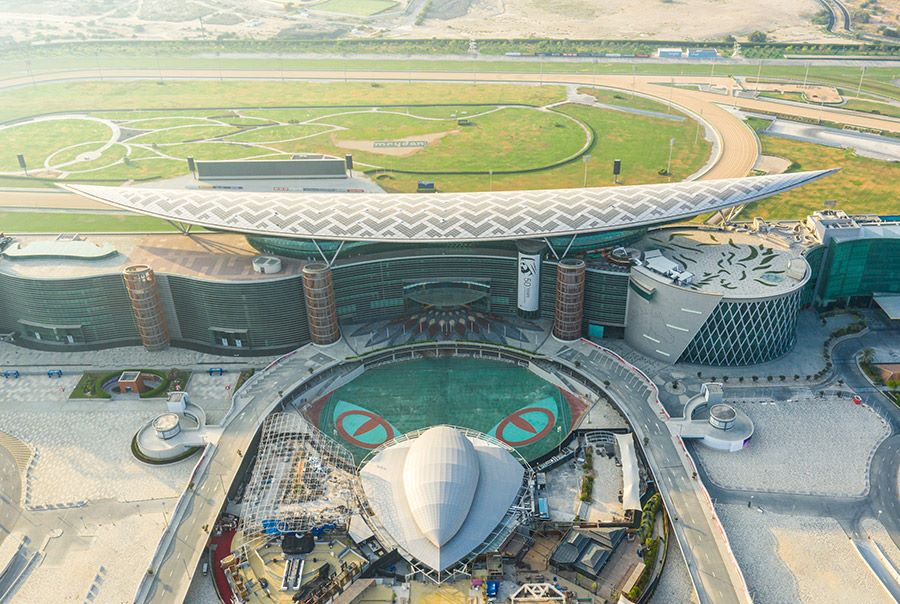
Located in the heart of Dubai, Meydan Free Zone is a strategic business hub offering entrepreneurs and investors a prestigious address, complete digital setup, and world-class infrastructure. With a focus on innovation, technology, and digital commerce, Meydan Free Zone is the ideal choice for startups, freelancers, and international businesses looking to operate in the UAE. Virtue Corporate Services is a verified Authorised Channel Partner of Meydan Free Zone – view our official listing
100% Foreign Ownership – No need for a UAE national partner
Quick and Easy Setup – License issued in under 2 hours
Prestigious Business Address – Dubai-based address with global appeal
No Paid-Up Capital Required – Start with minimal investment
Virtual Office Options – Cost-effective for remote businesses
No Personal or Corporate Tax – Subject to qualifying activities under UAE Corporate Tax Law
NOC to setup office anywhere – Flexibility to choose your office location in Dubai
Flexible Visa Packages – Up to 6 visas allowed
Setting up a company in Meydan Free Zone, one of Dubai’s fastest-growing business hubs, comes with flexible pricing based on your business activity and visa requirements. Whether you’re a solopreneur, SME, or expanding enterprise, Meydan offers tailored packages designed to meet your operational needs while providing a strategic Dubai business address.
Planning references from the same Virtue-supplied data used by the AI Navigator (September 2026). These figures are not a current offer. Confirm package validity, activity, workspace, approvals, tax treatment and Virtue fees in an itemised written quote.
| Package | Visa count | First year (AED) | Renewal reference (AED) |
|---|---|---|---|
| Standard | 0 | 12,500 | 12,500 |
| Standard | 1 | 21,115 | 16,550 |
| Standard | 2 | 27,230 | 18,400 |
| Standard | 3 | 33,345 | 20,250 |
Compare matching package scopes. Conditional status change, visa renewal, medical, Emirates ID and insurance may be excluded or paid separately. Renewal figures follow the guide’s package scope. Branch, general-trading, dual-licence and other specialist options require a current quote.
All packages include digital incorporation, Meydan business address, and support for banking and compliance.
Your estimate should reflect your selected licence, activity groups, shareholders, visa allocation and optional services. Check the complete scope before comparing packages.
Meydan’s official cost calculator excludes physical workspace costs and confirms final pricing before payment. Ask for your workspace needs and any additional approvals to be addressed separately in the written quote.
| Item | First year | Renewal |
|---|---|---|
| Licence and activities | Confirm selected scope and quoted authority charges | Request the current recurring charge |
| Workspace | Confirm what is included and what costs extra | Confirm continuing requirements and rent |
| Visa-related services | Separate allocation from processing and included services | Identify which items recur and when |
| Professional support | List deliverables and exclusions | Confirm ongoing support scope |
| Optional services | Choose only services needed for your plan | Confirm whether they continue automatically |
Request a current written proposal from Virtue showing authority charges, third-party costs, professional fees and exclusions separately.
| License Type | Description |
|---|---|
Commercial License |
For trading, importing, and exporting goods/services |
Service License |
For professional services including consulting, marketing, IT, and more |
Media License |
For digital marketing, media production, content creation businesses |
General Trading |
Allows broad trading activities under one license |
E-Commerce License |
For online trading and digital commerce businesses |
Holding License |
For managing investments and assets, ideal for corporate structuring |
| Entity Type | Documents Needed |
|---|---|
FZE (Free Zone Establishment) |
|
FZCO (Free Zone Company) |
|
Branch Office |
|
Virtue Corporate Services is your trusted partner for seamless business setup in Meydan Free Zone. From license application to visa processing and bank account opening, we handle everything — so you can focus on growth.
Talk to the Virtue team about your requirements, agree the service scope and ask what is included before you proceed.
Learn about our company and the people behind the service.
About VirtueRequest a written breakdown of the work, fees, exclusions and your responsibilities.
Discuss your requirementsBank and authority approvals are determined by the relevant institution. Ask about the steps and dependencies.
Ask the teamMeydan Free Zone is a company-formation route in Dubai. Whether it suits your business depends on the permitted activity, customers, workspace, staffing and budget. Compare the current requirements and a written proposal for your own application rather than relying on a fixed licensing-time or business-count claim.
Virtue's September 2026 Navigator guide lists Standard with no visa at AED 12,500 in the first year, and Standard with one visa at AED 21,115. Compare the package table for other variants and renewal references. These are planning figures, not a current offer or approval. Confirm activity, shareholders, workspace, package inclusions, conditional status change, visa renewal, medical, Emirates ID, insurance, tax treatment and Virtue fees in an itemised written quote.
Compare the permitted activities, workspace, operating requirements and total first-year and renewal costs for your own business. Obtain current written proposals on the same scope. Neither jurisdiction is universally cheaper, faster or better for every applicant.
Build a shortlist using your exact activity, customer locations, premises, staffing and budget. Confirm the applicable package inclusions, approvals, renewal charges and service scope for each jurisdiction before deciding.
Start with the exact activities your company will perform and ask for the corresponding current activity codes and licence classification. Confirm which combinations are permitted and whether additional approvals are needed. A broad marketing label does not replace the activity scope on your licence.
Request a current document checklist for the proposed legal structure and shareholder profile. Explain whether shareholders are individuals or companies and identify the proposed manager and signatories. Ask which identification, corporate records, attestations and additional approvals apply before submitting.
Compare your exact activity and operating needs against the current offerings of both zones. Check activity eligibility, premises, visa allocation, exclusions and recurring costs. Do not choose solely by a general industry label or headline licence price.
Do not assume the free-zone licence alone covers every mainland operation. Dubai has introduced a Free Zone Mainland Operating Permit framework. Ask DET and the free-zone authority whether your exact activity and operating model qualify and which permit, branch licence or other approval applies before starting the proposed mainland activity.
Timing depends on document completeness, the selected activity and the required authority checks. Request separate estimates for licence issuance, immigration processing and any bank application. These processes have different decision-makers; Virtue can coordinate the agreed work but cannot guarantee an approval date.
Virtue provides independent guidance on activity and jurisdiction selection, document preparation and coordination of the agreed setup work. Request a written proposal stating deliverables, fees, exclusions and ongoing support. Licensing, immigration and bank decisions remain with the relevant authorities and institutions.
Online Tools to Compare Free Zones in Dubai
If you’re still exploring your options before committing to Meydan Free Zone, several online resources make it easier to compare Dubai’s various free zones side by side.
Using these resources streamlines your research, saving valuable time as you zero in on the free zone that aligns perfectly with your ambitions.
Making the right choice comes down to your business model, the sector you operate in, and your growth ambitions. If you need tailored advice or step-by-step guidance, our experts at Virtue Corporate Services are just a call away.
Free Zones vs. Industrial Parks: Key Differences Explained
Choosing between a free zone and an industrial park in Dubai depends on your business model and growth goals. Here’s a quick breakdown:
Free Zones are self-governing hubs built for international trade and sector-specific businesses.
Key benefits include 100% foreign ownership, fast-track licensing, no local sponsor, and tailored ecosystems for tech, media, healthcare, and logistics. The trade-off? Direct mainland trading requires additional licensing.
Industrial Parks operate under Dubai Mainland jurisdiction, ideal for manufacturing, warehousing, and large-scale logistics. You get unrestricted UAE market access and eligibility for government contracts, but registrations go through the Department of Economy and Tourism with stricter compliance requirements.
Which Should You Choose?
Making the right choice comes down to your business model, the sector you operate in, and your growth ambitions. If you need tailored advice or step-by-step guidance, our experts at Virtue Corporate Services are just a call away.
With Dubai home to more than 20 specialized free zones, selecting the right one is all about aligning your choice with your business objectives and practical considerations. Here’s what to keep in mind as you narrow down your options:
Ultimately, consider seeking professional advice or using consultation services to find the free zone that maximizes your growth potential. Once you’ve pinned down your criteria, the right free zone becomes clear—and your journey to business success in Dubai gets a running start.
Import Duties and Trade Regulations in Meydan Free Zone
One of the standout perks of operating in Meydan Free Zone is the customs duty exemption on goods imported directly into the zone itself. This means you can freely bring in supplies, equipment, or inventory without worrying about extra import costs—unless you plan to transfer those goods into the UAE mainland.
Free zone companies, however, should be aware that conducting business inside the UAE mainland involves additional steps. To legally trade within the wider UAE market, companies must either obtain a special licence or set up a mainland branch in accordance with Dubai’s economic regulations. This ensures compliance and allows for seamless operations both inside the free zone and across the broader UAE marketplace.
While Meydan Free Zone companies enjoy full flexibility within their jurisdiction, direct trading in the UAE mainland does require an extra step. If your business plans involve selling products or services directly to mainland clients, you’ll need to either obtain the appropriate mainland license or set up a branch office under the mainland’s regulations.
This additional licensing ensures compliance with UAE commercial laws and allows seamless expansion beyond the free zone. Many businesses partner with established consultancies like Virtue Corporate Services to simplify this process and unlock access to the mainland market.
Mainland vs. Free Zone: Key Differences for Business Setup
When deciding where to launch your business in Dubai, understanding the distinction between mainland and free zone setups is essential—each comes with unique benefits, limitations, and rules, depending on your growth goals.
Free Zone Companies:
Mainland Companies:
Which One to Choose?
Understanding your market, business model, and long-term vision is key—Virtue Corporate Services can help you navigate both routes so you launch with confidence.
Choosing the Right Legal Structure for Your Free Zone Company
When setting up in a free zone like Meydan, your choice of legal structure can impact everything from your operational flexibility to your growth potential. Here’s what to keep in mind:
Consulting the right experts—like Virtue Corporate Services—ensures the structure you select doesn’t just tick today’s boxes but supports your future ambitions in Dubai’s dynamic business scene.
Key Information: Visas, Employment, Banking, and Office Space for Free Zone Companies
When setting up your company in a Dubai free zone, several factors beyond licensing are essential to get your business operational:
With your license, visas, bank account, and office sorted, your business will be ready to operate from one of Dubai’s most dynamic business environments.
Key Steps for Setting Up a Company in a Dubai Free Zone
Setting up your business in a Dubai free zone is straightforward, especially when you follow a clear step-by-step approach. Here’s how to move from idea to operation:
With 20+ specialized free zones in Dubai, choose one that matches your sector. Options like Meydan, DMCC, and Dubai Internet City offer unique perks tailored to tech, media, trade, and consulting.
Decide between a Free Zone Establishment (FZE), Free Zone Company (FZCO), or a branch office based on your shareholder count and long-term goals.
Packages vary by business activity and visa needs. Compare license options — from solo setups to multi-visa solutions — factoring in office space and room to scale.
Gather your documents — passport copies, business activity details, and parent company paperwork if applicable. Most free zones offer a fast online application with approvals in as little as 2 hours.
Once approved, set up your business address, open a UAE bank account, apply for residency visas, and you’re ready to trade in one of the world’s most dynamic markets.
By following these tailored steps, you’ll enjoy a hassle-free company setup and position your business for success in one of the world’s most dynamic markets.
Check the inclusions before treating a licence estimate as your complete budget. Ask Virtue for a written quotation separating authority charges, workspace, visa allocation and processing, third-party costs and professional services. Confirm exclusions, renewal charges and items awaiting approval.
Use the existing Meydan guide above and clarify the practical requirements.
What exact activity should the authority confirm?
What space, team and operating needs should the proposal address?
Which inclusions, exclusions and renewal costs should be stated?