
International services
Which activity matches your actual service? What documents and workspace are required? How many people need residency visas?
Choose a UAE free zone around your business activity, customers, workspace and residency requirements. Compare the complete first-year and renewal costs, then request a written quote separating authority charges, third-party costs and Virtue’s professional fees.
Confirm inclusions, recurring costs and authority requirements before you proceed.
Share your intended activity and requirements. Ask for an itemised breakdown of the service, fees and exclusions.
Meet Virtue ↗Compare a free zone company in UAE against your intended operations, licensing requirements, workspace and ongoing obligations. For your Dubai free zone business setup, request a proposal based on your own activity and circumstances, as each free zone has specific licensing options and industry-focused benefits.

Business setup in UAE free zone starts with matching the proposed activity, operating model and workspace to the chosen jurisdiction. For your Dubai free zone business setup, Virtue helps compare requirements and quotation scope, prepare the application and identify matters requiring authority or specialist review.
Let Virtue Corporate Services help you navigate the process with ease. Get started on your Free Zone Company in UAE today!
Every free zone prices and structures its packages differently. Here’s a straight comparison to help you shortlist before you talk to us – final pricing depends on your activity, visa count, and office requirement.
| Free Zone | No-visa package reference (AED) | Reference scope | Comparison focus |
|---|---|---|---|
Meydan |
12,500 | Standard; no visa | Activity match and workspace |
IFZA |
12,900 | Standard; no visa | Activity combination and package |
DMCC |
Request current quote | Activity and package to confirm | Activity, premises and package quote |
SHAMS |
5,760 / 6,885 | Media / Standard; no visa | Media versus standard package |
SPC |
5,760 / 6,885 | Publishing / Standard; no visa | Publishing versus standard package |
RAKEZ |
6,000 / 8,550 | Pro Zero / Max Zero; no visa | Coworking package; other facilities separately |
Ajman Free Zone |
5,565 | Virtual office; no visa | Virtual office scope and renewal |
SRTIP |
5,510 | 0 Visa package; no visa | Activity, flexi-desk and inclusions |
Dubai South |
Request current quote | Activity and package to confirm | Activity, premises and package quote |
Indicative planning figures, not a current offer or complete setup quotation. Confirm authority charges, workspace, residency-related allocation and processing, third-party costs and professional fees in a written proposal. Plan your first-year and renewal budget before comparing package totals.
UAE free zones are designed to cater to a wide range of business activities. Choosing the correct activity is essential for license approval and future scalability.
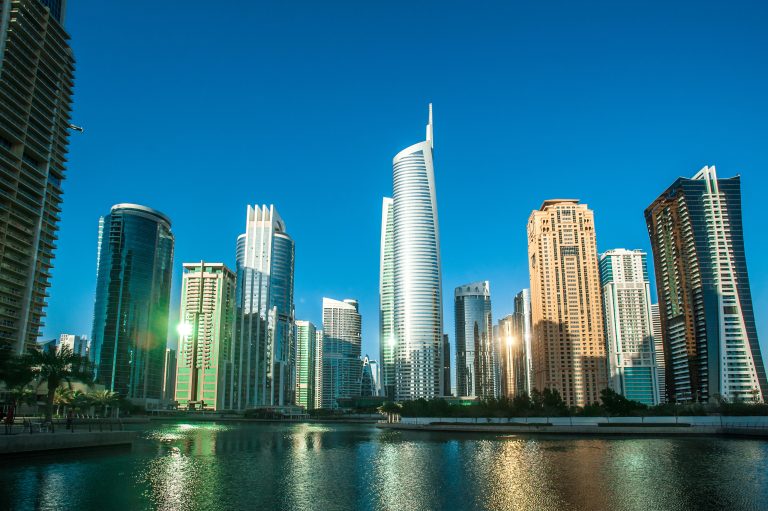
Assess DMCC against your proposed activity, premises and operating needs. Compare current authority requirements, workspace arrangements and renewal scope.
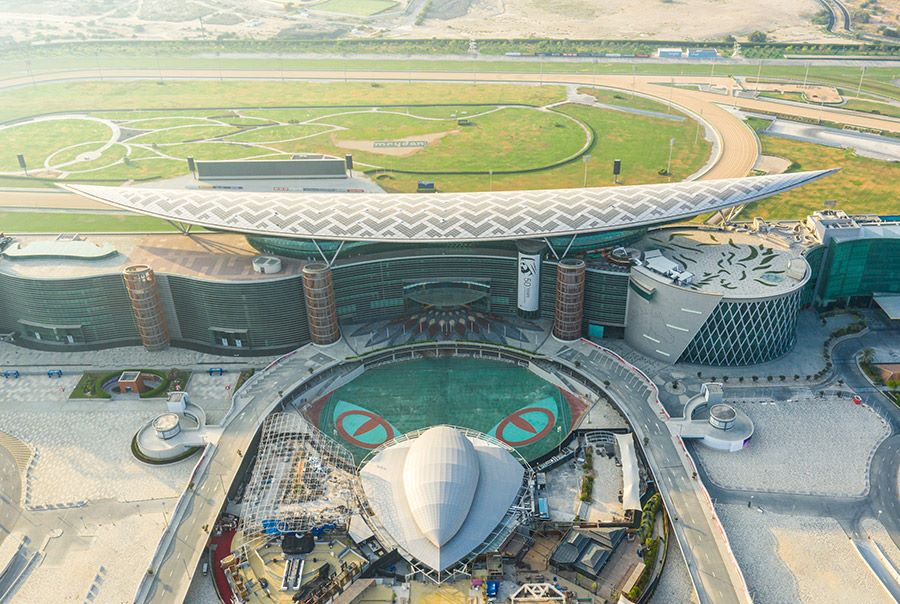
Explore Meydan Free Zone for your proposed activity, workspace and staffing needs. Confirm current requirements, quotation scope and renewal charges.
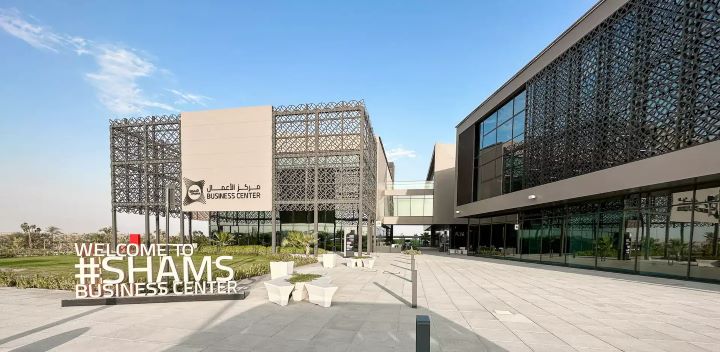
Assess SHAMS against your activity and operating needs. Compare the included workspace, staffing assumptions, authority charges and renewal scope.
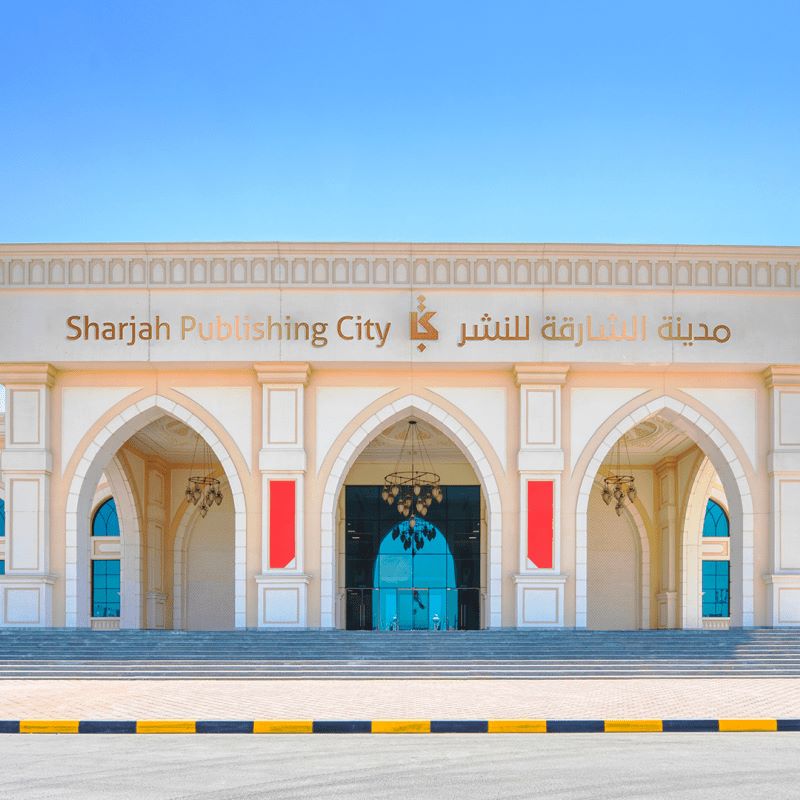
Review SPC Free Zone requirements for your proposed business. Request a written comparison covering licence, workspace, residency-related services and renewals.
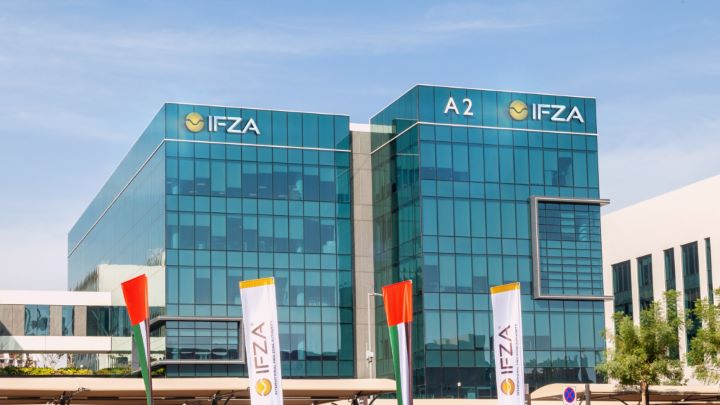
Explore IFZA for your company setup plans. Confirm the permitted activity, workspace, staffing assumptions and full first-year and renewal quotation.
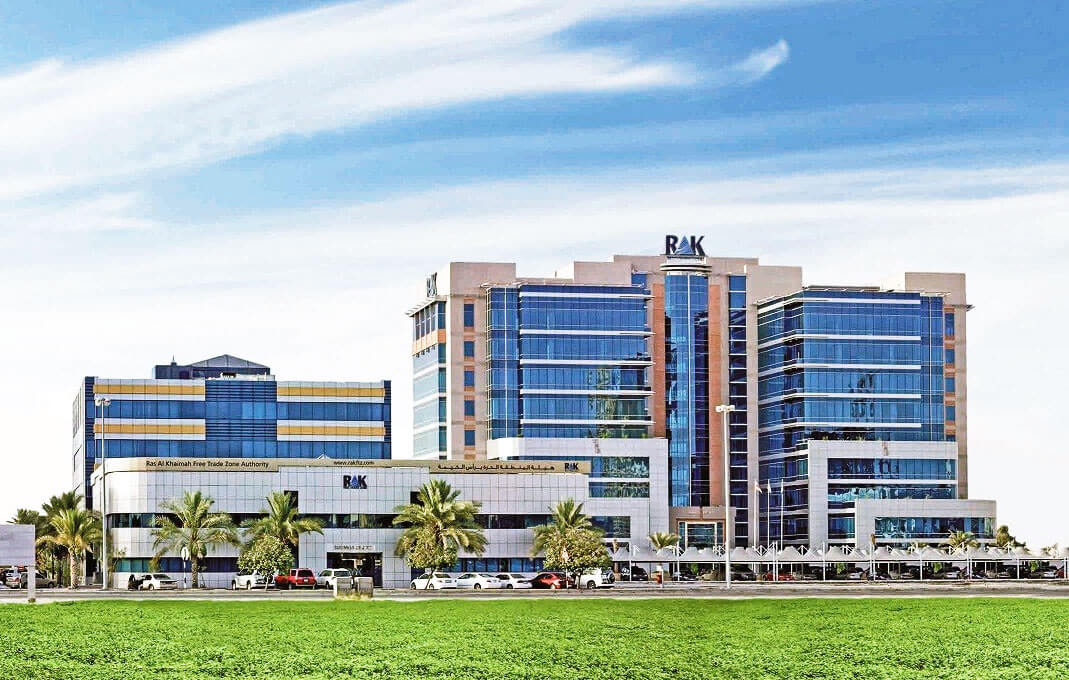
Assess RAKEZ against your activity and facility requirements. Confirm the specific location, applicable approvals, workspace and complete quotation scope.
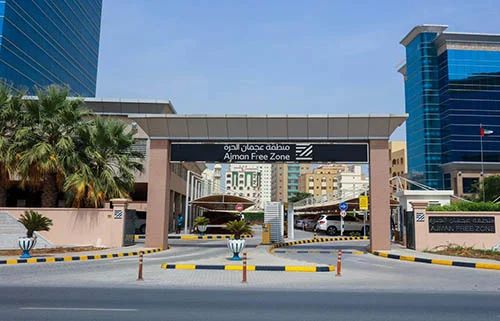
Compare Ajman Free Zone against your activity, premises and staffing plans. Confirm the requirements and full quotation scope for your specific application.
Explore SRTIP for your proposed business. Compare activity permissions, workspace, staffing requirements and first-year and renewal charges.
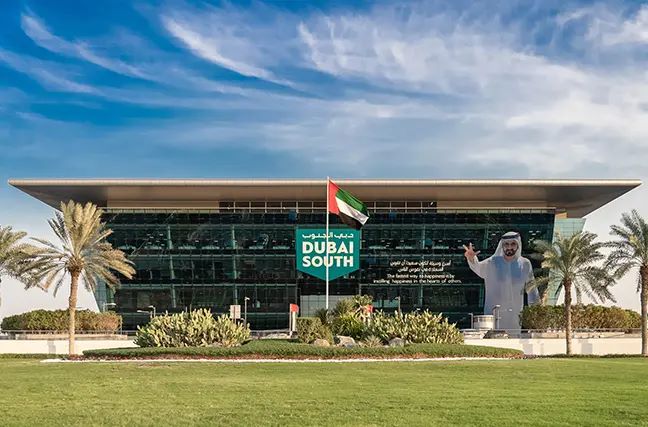
Assess Dubai South against your proposed activity and premises. Confirm the specific location, authority requirements, facilities and ongoing costs.

At Virtue Corporate Services, we help you navigate these options with clarity and precision.

Whether you're a solo founder or managing a multinational expansion, we guide you in selecting the optimal legal framework and activity for your UAE free zone company. With deep expertise in Dubai free zone business setup and a proven track record in business setup in UAE free zone solutions, we provide the strategic support you need to launch and grow with confidence
The right free zone depends on what you will do, where you will serve customers, the workspace you need and your visa plans. Start with the exact business activity, then compare suitable options using the same quotation scope.
Which activity matches your actual service? What documents and workspace are required? How many people need residency visas?
Who imports and stores the goods? Where will deliveries take place? What customs, product and operating approvals need checking?
Where will the work happen? Does the proposed licence cover that operating model? What additional permissions need confirmation?
Illustrative business situations, not client case studies or automatic jurisdiction recommendations.
Ask for authority charges and Virtue’s professional fees to be shown separately. Confirm the scope, exclusions and recurring costs before deciding.
| Quote item | What should be clear |
|---|---|
| Licence and activities | Authority, activity scope, term and included services |
| Workspace | Included arrangement, separate rent and any upgrade needed |
| Residency-related items | Visa allocation versus processing items and their inclusions |
| Additional approvals | Whether required, confirmed cost or still awaiting confirmation |
| Professional services | What Virtue handles and what is outside the agreed scope |
| Renewal | Recurring items, quotation validity and items that may change |
Setting up a business in a UAE free zone offers a range of legal structures and activity categories tailored to suit entrepreneurs, SMEs, and large enterprises alike. Understanding the right legal type and category for your company is crucial for ensuring regulatory compliance and long-term success.
Each free zone in the UAE offers specific legal entity options. The most common legal structures include



Each legal type has distinct documentation and capital requirements depending on the specific free zone authority.
Talk to the Virtue team about your requirements, agree the service scope and ask what is included before you proceed.
Learn about our company and the people behind the service.
About VirtueRequest a written breakdown of the work, fees, exclusions and your responsibilities.
Discuss your requirementsBank and authority approvals are determined by the relevant institution. Ask about the steps and dependencies.
Ask the teamA free zone setup means forming and licensing a business through the chosen free zone authority. Start with your exact activity, customers, operating location, shareholders and workspace needs. Confirm the available legal structure, documents, approvals and complete quotation before applying. The authority decides eligibility and approval.
Start by confirming your activity and operating model, then shortlist suitable free zones and legal structures. Request the authority-specific document checklist and a written quotation. Complete licensing and any separate immigration or bank applications in the required order. These approvals are assessed separately; incorporation does not guarantee them.
Compare ownership arrangements, permitted activities, workspace, facilities, location and ongoing obligations against your business plan. Free zone registration does not automatically give a company a 0% corporate tax rate. The Free Zone corporate tax regime applies 0% to Qualifying Income of a Qualifying Free Zone Person when the relevant conditions are met. Confirm your tax treatment with a qualified tax adviser.
There is no single best free zone for every business. Compare whether your exact activity is available, where work and customer deliveries will take place, the required premises, residency needs, first-year costs and renewals. Shortlist by operating fit before comparing headline package prices.
Related guides: IFZA company formation guide · Meydan company formation guide · DMCC company formation guide
Request the checklist for your chosen authority, activity and shareholder structure. It may include application forms, passport copies, photographs, address evidence and a business plan. Corporate shareholders and regulated activities can require additional documents or approvals. Confirm any attestation or translation requirements before submitting.
Timing depends on document completeness, the activity, shareholder checks and required approvals. Ask for a timeline identifying each application stage and its dependencies. Licence issuance, immigration and bank onboarding are separate processes; an advertised licence turnaround should not be treated as the timetable for every step.
FZE commonly refers to a Free Zone Establishment and FZC to a Free Zone Company. The available company forms, naming conventions and shareholder requirements depend on the authority. Confirm the legal form, ownership, liability, governance and renewal requirements for your chosen free zone before applying.
Review the exact activity, transaction, customer location and place where work will be performed with the relevant licensing authorities. Confirm whether additional mainland licensing, permits or another operating arrangement is required. A free zone licence alone should not be treated as permission for every mainland activity.
Use the dated planning references on this page as a starting point, then request a current written quote for your activity and requirements. Compare licence term, workspace, allocation versus visa processing, approvals, third-party charges, professional fees and renewal costs. Confirm exclusions and validity; a licence price is not necessarily the complete setup cost.
The required workspace depends on the authority, licensed activity and operating needs. Ask whether an eligible shared workspace or flexi-desk arrangement is sufficient, or whether an office, warehouse or other facility is needed. Confirm the premises and immigration implications in writing before selecting a package.
Use the relevant free zone authority website for its activity list, company forms, application process and current package terms. The AI Navigator can help compare planning references, while Virtue can help clarify your proposed scope. Check eligibility, final charges and approvals with the authority rather than relying on a comparison alone.
A free zone is a licensing jurisdiction, while an industrial park describes a location or facility serving industrial businesses. A park may operate within a free zone or another licensing arrangement. Confirm the specific site, licensing authority, permitted activity, premises and operating approvals instead of assuming the park is mainland or free zone.
The authority, available company forms, activity permissions, premises and application steps differ. Ask each proposed jurisdiction for its document checklist, approvals, costs and ongoing obligations. Both routes can involve tax, accounting, immigration and other compliance requirements. Compare the actual operating model rather than assuming one route always has fewer obligations.
Related guides: Dubai mainland company formation guide
Check the immigration establishment requirements and allocation separately from visa processing and issuance. For banking, prepare the ownership, business activity, source-of-funds and expected-transaction information requested by the bank. Confirm employment and work-permission requirements with the relevant authority. Licensing, immigration and bank decisions remain separate.
Related guides: Corporate bank account application guide
First confirm the park location and responsible licensing authority. Check whether your proposed activity and premises are permitted, and identify any construction, environmental, health, safety, storage or other approvals relevant to the operation. Request a site-specific checklist and cost breakdown before committing to a facility.
Ask the licensing authority whether the proposed change is permitted and which amendments, documents, approvals and fees apply. Also check whether the change affects premises, immigration, banking or tax information. Confirm the revised scope before beginning the new activity.
Free zones may offer service, trading, industrial and other activity categories, but availability and conditions vary. Match the authority activity code and licence scope to what the business will actually do. Confirm any regulated-activity approvals, combinations or restrictions before applying.
Compare packages using the same business activity, licence term, workspace arrangement and residency requirements. Ask what is included, what is excluded, which items recur at renewal and how long the quotation remains valid. A lower headline price can cover a different scope, so review the written breakdown before deciding.
Related guides: Compare routes with Virtue AI Navigator
Ask for the licensing authority and activity, licence term, workspace arrangement, relevant processing items, additional approvals, third-party charges and Virtue's professional fees. Confirm exclusions, renewal items and quotation validity. An allocation or allowance should not be treated as including every associated processing cost.
Use the AI Navigator to compare routes and planning references. Before proceeding, request a current written quotation for your activity and requirements. The relevant authority confirms eligibility and approvals; the quotation should identify its scope, exclusions and validity.
Shortlist on the needs of your activity rather than a package headline.
What is the exact business activity?
What practical workspace and staffing do you need?
Which first-year and renewal inclusions should the quote explain?