












Free Zone Business Setup

Seamless Dubai Freezone Setup—Your Hassle-Free Gateway to Expansion
Request a Call Back

    Expert Free Zone Company Formation in Dubai with Virtue Corporate Services

    A free zone company in UAE operates within designated economic zones that offer major advantages such as 100% foreign ownership, tax benefits, and simplified regulations. With more than 45 free zones across the country, choosing the right jurisdiction is essential for a successful Dubai free zone business setup, as each free zone has specific licensing options and industry-focused benefits.

    Business setup in UAE free zone is an ideal choice for entrepreneurs seeking fast registration and global market access. At Virtue, we provide expert support for Dubai free zone business setup, helping you select the best free zone company structure based on your business activity, expansion plans, and budget—ensuring a smooth and compliant setup process.

    Let Virtue Corporate Services help you navigate the process with ease. Get started on your Free Zone Company in UAE today!

    dubai free zone business setup
    3,000 Successful company setups
    130+ Countries clients served

    Business Activity Categories

    UAE free zones are designed to cater to a wide range of business activities. Choosing the correct activity is essential for license approval and future scalability.

    Commercial Activities
    • Import/export, trading, distribution, and retail operations.
    • Often fall under General Trading or specific goods-based licenses.
    Industrial Activities
    • Light manufacturing, packaging, and assembly.
    • Requires warehouse facilities and adherence to environmental standards.
    Service Activities
    • Consulting, marketing, IT services, design, education, and more.
    • No physical product involved—ideal for knowledge-based professionals.
    E-commerce
    • Selling goods and services online.
    • A fast-growing sector with specific license types in digital-friendly zones.
    Media and Creative
    • Advertising, film production, publishing, and design.
    • Offered by zones like Dubai Media City or Fujairah Creative City.
    Tech and Innovation
    • AI, blockchain, software development, and R&D.
    • Highly supported by zones such as Dubai Internet City and DSO.
    Financial and Investment
    • Financial consulting, asset management, fintech solutions.
    • Usually requires additional regulatory approvals.

    Free Zone TYPES

    Choosing the Right Fit

    Choosing the Right Fit

    Each free zone has its own licensing authority, specific rules, and industry focus. Choosing the right legal structure and activity type depends on your:
    • Business model
    • Number of shareholders
    • Capital requirementss
    • Need for office or warehouse space
    • Industry-specific regulations

    At Virtue Corporate Services, we help you navigate these options with clarity and precision.

    Whether you're a solo founder or managing a multinational expansion, we guide you in selecting the optimal legal framework and activity for your UAE free zone company. With deep expertise in Dubai free zone business setup and a proven track record in business setup in UAE free zone solutions, we provide the strategic support you need to launch and grow with confidence

    Legal Types and Categories

    Setting up a business in a UAE free zone offers a range of legal structures and activity categories tailored to suit entrepreneurs, SMEs, and large enterprises alike. Understanding the right legal type and category for your company is crucial for ensuring regulatory compliance and long-term success.

    Each free zone in the UAE offers specific legal entity options. The most common legal structures include

    Legal Types in UAE Free Zones

    Each legal type has distinct documentation and capital requirements depending on the specific free zone authority.

    Frequently Asked Questions

    Several online tools can make the process of choosing and registering in a UAE free zone much simpler:

    • Comparison Portals: Platforms like FreezoneMarketStartup Hero, and Business Link UAE offer side-by-side comparisons of different free zones, highlighting licensing options, costs, facilities, and setup timelines. These portals often let you filter results based on your business sector or budget.
    • Advisory Services: Firms such as PRO Partner Group and Creative Zone provide one-on-one consultations, guiding you through documentation, registration, and compliance across various free zones.
    • Official Free Zone Websites: Each free zone authority runs its own portal, where you can explore their licenses, office solutions, FAQs, and download application forms.
    • Community Forums & Networks: Platforms like LinkedIn, DubaiEntrepreneurs.net, and regional business Facebook groups connect you directly with other founders and service providers, offering first-hand insights and practical tips.

    Exploring these resources can help you match your needs with the right free zone and ensure a smoother setup process.

    Free zones in Dubai are specialized business hubs designed for industries such as technology, media, finance, and logistics. They offer benefits like 100% foreign ownership, full repatriation of profits, and exemption from import and export duties within the zone. Free zones also provide a quick and simplified business setup process with flexible legal structures such as FZE, FZC, or branch offices.

    However, companies operating in free zones have limited access to the UAE mainland market. To trade directly within the mainland, businesses may need to appoint a local distributor or establish a mainland branch. This structure is ideal for companies focused on international trade, exports, or service-based operations.

    Industrial parks, in contrast, are usually located within Dubai’s mainland jurisdiction and are designed for manufacturing, logistics, and large-scale warehousing activities. Businesses operating in these parks must obtain a mainland license and comply with regulations set by the Dubai Department of Economy and Tourism.

    Industrial parks are best suited for companies that need direct access to the UAE and GCC markets without trading restrictions. They support business structures such as sole proprietorships, LLCs, or company branches, making them suitable for businesses that require large operational spaces and local market integration.

    Registration Process:
    In free zones, company registration is handled by a dedicated regulatory authority within the zone. The process is usually streamlined through a single-window system that manages company formation, licensing, and visa services. Documentation is generally simpler, making it easier for entrepreneurs and startups to establish businesses quickly, especially in sectors like technology, media, logistics, and e-commerce. Many free zones also provide bundled packages that include office space and business support services.

    For mainland businesses, registration must be completed with the relevant emirate’s Department of Economy and Tourism (such as the DED in Dubai). The process involves several stages, including trade name reservation, initial approvals, tenancy agreements, and sometimes additional clearances from external authorities, depending on the business activity. This process can be more detailed and may involve inspections or additional regulatory requirements in certain sectors.

    Licensing and Legal Structures:
    Free zones offer different license types—such as commercial, service, and industrial—based on the nature of the business. Companies can be formed as a Free Zone Establishment (FZE) for a single shareholder, a Free Zone Company (FZC or FZ-LLC) for multiple shareholders, or as a branch of an existing company.

    Mainland businesses have broader legal structure options, including sole proprietorships, limited liability companies (LLCs), and branches of local or foreign companies. While the licensing process may involve more formalities, mainland companies benefit from the ability to conduct direct trade within the UAE market.

    Administrative Requirements:
    Free zone companies generally have fewer ongoing compliance obligations, as most regulatory matters are managed by the respective free zone authority. Office requirements are flexible and can range from virtual workspaces to fully serviced offices.

    In contrast, mainland companies often have higher administrative responsibilities, including regulatory reporting, possible annual audits, and adherence to broader UAE federal regulations. They are also typically required to maintain a physical office space that may be subject to inspection.

    Understanding these differences helps entrepreneurs choose the right setup—whether leveraging the streamlined processes of free zones for international operations or establishing a mainland company to operate directly within the UAE market.

    Costs for establishing a free zone company in the UAE can vary significantly based on your specific needs, such as the type of license, office space, and number of visas required.

    Here’s what to consider:

    • Freelance and flexi-desk packages: Entry-level options typically start from around AED 5,000 (approximately USD 1,360) for basic setups aimed at solo professionals.
    • Standard offices: For small teams, dedicated office spaces can range from AED 20,000 to AED 65,000 (USD 5,400–17,700) or more annually, depending on the free zone, location, and amenities.
    • Visa allocations: Each package includes a certain number of visas, with additional visas incurring extra costs. Factoring in staff size is key for budgeting.
    • Additional fees: Consider expenses like registration, company formation, and license renewal charges, which differ from one free zone authority to another.

    It’s important to review the latest fee schedules and available packages in your preferred free zone, as rates and inclusions can change. We’re here to clarify these details and help you compare options, ensuring you choose the most cost-effective approach for your business.

    Setting up in a UAE free zone involves a few essential steps beyond company registration. Here’s what to expect when it comes to visas, banking, and hiring employees:

    • Visas: Free zones generally offer a straightforward visa process for business owners and staff. The number of visas you can obtain typically depends on your office space or package size. Required documents usually include your trade license, establishment card, passport copies, and passport-sized photos. Family visas can also be applied for after your residency is approved.
    • Corporate Bank Accounts: Once your company is incorporated, you’ll need to open a UAE business bank account. Major banks like Emirates NBDMashreq, and international names such as HSBC and Standard Chartered serve free zone entities. Banks will request your trade license, incorporation documents, a business plan, and in some cases, information on the company’s ultimate beneficiaries.
    • Employment: Free zones allow you to hire both local and foreign employees. The company must apply for each employee’s work permit and visa through the free zone authority. Additionally, employment contracts are processed via the free zone and must meet UAE labour regulations. Some zones also require medical fitness tests and Emirates ID registration for new hires.

    Checking with your chosen free zone authority for any zone-specific requirements is always recommended, as procedures and eligibility may vary slightly.

    For businesses aiming to establish a presence in Dubai’s industrial parks, there are several specific requirements you’ll need to fulfill.

    • Mainland Registration: Unlike free zones, industrial parks are classified under the Dubai mainland. This means your business must register as a mainland entity, adhering to local laws and processes.
    • Obtaining Approvals: Be prepared to secure the necessary approvals not only from the Department of Economy and Tourism (DET) but also from any industry-specific regulators related to your operations—whether you’re in manufacturing, logistics, or warehousing.
    • Licensing Process: The licensing procedure typically involves submitting detailed documentation, paying the prescribed government fees, and ensuring your activities match the scope of the mainland license.
    • Compliance and Standards: Industrial operations require full compliance with health, safety, and environmental standards as outlined by Dubai authorities. Additional permits related to facility construction, storage, and transportation of goods may also be needed, depending on your business activity.

    Whether you’re launching a new manufacturing plant or expanding a global logistics chain, we help you navigate each step—so your industrial park setup is both compliant and hassle-free.

    An FZE (Free Zone Establishment) is a single-shareholder company, while an FZC (Free Zone Company) involves two or more shareholders. Both offer limited liability and 100% foreign ownership but differ in their ownership structure.

    Yes, most free zones allow changes in business activities post-incorporation. However, this may require approvals, amended documentation, and fee payments, depending on the zone and the type of change.

    Some free zones offer flexible options like shared desks or virtual offices, especially for service-based businesses. Others may require a physical office or warehouse, depending on the activity and license type.

    UAE free zones support a wide range of activities including commercial (trading), service-based, industrial, media, tech, and e-commerce. You must select an activity that aligns with your license type.

    Yes, free zone companies can conduct international business freely. However, to operate directly within the UAE mainland, a free zone company may need to appoint a local distributor or open a branch in the mainland.

    Yes, many free zones allow a mix of individual and corporate shareholders in FZCs. The requirements vary depending on the free zone authority and shareholder documentation.

    A branch company is an extension of an existing UAE-based or foreign company. It does not have a separate legal identity and operates under the parent company’s name and business scope.

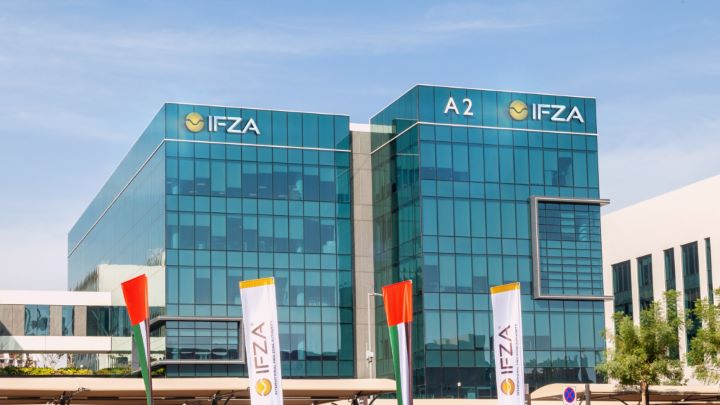
    Each UAE free zone has its own industry focus. For example, IFZA is ideal for general services and trading, DMCC for commodities and crypto, DSO for tech and innovation, and RAKEZ for industrial activities. The best zone depends on your business needs, budget, and activity.

    No, UAE free zone companies offer 100% foreign ownership and do not require a local Emirati sponsor or partner.

    The setup timeline varies by free zone and business type but typically takes 3 to 10 working days, assuming all documents are submitted correctly.